Thanks for your support! If you make a purchase using our links in this article, we may make a commission. And, as an Amazon Associate, I earn from qualifying purchases. See the full disclosure here.
Buying your first RV is exciting. It is easy to start picturing campground mornings, road trips, campfires, and all the fun parts of RV life before you ever sign the paperwork.
But buying an RV is also one of those decisions where one bad mistake can cost you thousands of dollars, create a lot of stress, or leave you with an RV that does not fit the way you actually want to camp.
After owning both a Class C and a Class A ourselves, and after hearing from thousands of RVers over the years, Susan and I have seen the same first-time RV buyer mistakes come up again and again.
The goal here is not to scare you away from buying an RV. The goal is to help you slow down just enough to buy the right RV the first time.
Here are the biggest RV buying mistakes I think first-time buyers need to avoid.
Mistake #1: Buying Based on Emotion at an RV Show or Dealer Lot
RV shows and dealer lots are designed to get you excited. And honestly, they should. RVing is exciting.
You walk into a beautiful camper or motorhome, the lights are on, the air conditioning is running, the furniture looks great, and you start imagining yourself using it right away. Add in show pricing, limited-time offers, and a salesperson telling you that this one will not last long, and it gets very easy to make an emotional decision.
That is where buyers get in trouble.
A lot of people fall in love with a floor plan, a big TV, a fireplace, an outdoor kitchen, or a pretty interior before they ever stop to check the weight, the storage, the cargo capacity, the delivery process, the inspection plan, or the real cost of ownership.
A good deal on the wrong RV is still the wrong RV.
I am not anti-dealer and I am not anti-RV show. We have been to plenty of both. But I do think first-time buyers need to remember that excitement can make you overlook the boring details that matter most later.
Mistake #2: Choosing the Wrong Size RV
Bigger feels better when you are standing on a dealer lot. Smaller feels safer when you are nervous about driving, towing, or parking.
Both instincts can lead you the wrong way.
If you buy too big, you may end up with an RV that is harder to drive, harder to tow, more expensive to store, more expensive to fuel, and too large for some campgrounds or campsites you would love to visit.
If you buy too small, you may feel cramped after just a few trips. That especially happens when buyers focus too much on keeping things easy and not enough on how the RV will actually feel on a rainy day, during meal prep, or while getting dressed, sleeping, and moving around inside.
This is why I always tell people to think about how they will really travel, not just what looks good on the lot. Weekend trips, long vacations, working from the road, traveling with kids, traveling with pets, staying in campgrounds versus traveling long distances between stops, all of that matters.
The best size RV is not the biggest one you can afford or the smallest one you think you can manage. It is the one that fits your real-world travel style.
Mistake #3: Picking a Floor Plan That Looks Good But Camps Badly
This is one of the easiest mistakes to make because floor plans are one of the most fun parts of shopping for an RV.
But a floor plan can look great on a dealer lot and still work badly in real camping life.
Here are the kinds of questions I think matter more than people realize:
- Can you access the bathroom with the slides in?
- Can you get to the fridge while traveling?
- Where will everyone sit on a rainy day?
- Is there enough kitchen counter space to actually make meals?
- Can everyone sleep comfortably without turning setup and breakdown into a daily headache?
- Is there enough usable storage, not just flashy features?
- Is the main bed easy to get in and out of, especially for older buyers?
A lot of first-time buyers focus on looks instead of livability. That is a mistake. The prettiest RV is not always the easiest one to camp in.
We have reviewed a ton of RVs over the years, and this is one reason our videos focus so much on livability. Once you have camped a few times, you start noticing the small things that matter a lot more than showroom appeal.
Mistake #4: Buying Too Much Camper for the Tow Vehicle
This is one of the most expensive and stressful mistakes travel trailer buyers make.
A lot of people look at the max tow rating for their truck and assume they are good to go. Unfortunately, it is not that simple.
Payload matters. Tongue weight matters. Passengers matter. Gear matters. The hitch matters. Water matters. Cargo in the truck bed matters. All of that adds up fast.
And just because a trailer is marketed as “half-ton towable” does not mean your half-ton truck should tow it comfortably or safely.
I have seen a lot of first-time buyers get this wrong because they were focused on the trailer they wanted, not the total towing picture. Then they end up needing a different truck, towing with too little margin, or feeling white-knuckled every time they hit traffic, hills, or crosswinds.
Mistake #5: Ignoring Cargo Carrying Capacity
Dry weight is not camping weight.
I wish more first-time buyers understood that before they buy.
RVs fill up fast. Food, water, clothes, tools, chairs, hoses, sewer gear, leveling blocks, cooking supplies, grills, pet supplies, linens, and all the little things you do not think about at first add up in a hurry.
Some RVs have surprisingly low cargo carrying capacity, and that becomes a real problem once you start loading them the way people actually use them.
This matters even more for families, longer trips, and anybody who likes to bring a decent amount of gear. It also matters if you are choosing between multiple RVs and one looks amazing but has very little CCC once you dig into the numbers.
One mistake a lot of buyers make is assuming the RV has plenty of capacity just because it looks big enough. That is not the same thing.
Mistake #6: Skipping an Independent RV Inspection
This one is personal for us.
When we bought our 2008 Gulf Stream Conquest Class C, we skipped the inspection. That was a mistake.
The previous owner had not winterized it properly, but we did not know that at the time. The water pump housing, which was located under the dinette, was cracked. When we turned on the water, it started pouring water into the RV from under the dinette. We were outside and did not even know it was happening. When we opened the entry door, water had run down the steps and was pouring right out of the RV.
That was a sickening way to learn an expensive lesson.
We also did not catch a roof leak when we bought that RV. That leak took me over a year to finally resolve. We never did find the exact leak source, and in the end I redid the roof with polyurea, the same kind of material used in pickup truck beds, which finally stopped it.
That is why I feel strongly about this one. New RVs can have problems. Used RVs can hide problems. A dealer walkthrough is not the same thing as an independent inspection.
Roof issues, soft floors, water damage, electrical problems, plumbing problems, and poor past repairs can all be incredibly expensive later.
An inspection costs money. I get that. But buying the wrong RV can cost a whole lot more.
If you want to understand RV systems and inspections better, NRVTA has some great training resources, including their home study course. I would look at that as education, not a shortcut.
Mistake #7: Underestimating the Real Cost of RV Ownership
A lot of first-time buyers focus almost entirely on the monthly payment.
That is understandable, but it is also dangerous.
The real cost of RV ownership is a lot bigger than the payment. You also need to think about insurance, storage, maintenance, tires, campground fees, fuel, setup gear, sewer and water gear, surge protection, upgrades, repairs, and sometimes extended repair protection or a service contract.
This is another lesson we learned the hard way. We had no idea in the beginning that RV repair techs often charge $150 an hour or more. Yikes.
That changes how you think about ownership really fast.
And here is the truth that a lot of new buyers do not want to hear: all RVs break. It is not a matter of if. It is a matter of when and how much.
That is one reason I think many buyers, especially motorhome buyers, should seriously consider repair protection. We use Wholesale Warranties on our Class A, and I do think something like that can make sense if you understand what it covers and what it does not.
Mistake #8: Forgetting Where the RV Will Be Stored
This is not a flashy mistake, but it is a very real one.
Buyers get so focused on buying the RV that they forget to think through where it is actually going to live when they are not using it.
Can you keep it in your driveway? Does your HOA allow that? Does your town or county allow it? Will it fit beside your house? Do you need a storage lot? How far away is the storage lot? Is it covered or uncovered? What does it cost every month? How will you maintain the batteries while it is stored? What about winter storage if you live in a cold climate?
Those are not exciting questions, but they matter.
An RV that is a pain to store often becomes a pain to own.
I think some first-time buyers would make better decisions if they sorted this out before they ever bought the RV, not after.
Mistake #9: Trusting the Dealer Walkthrough Too Much
The delivery walkthrough matters. A lot.
But many first-time buyers trust it too much.
By the time delivery day comes around, people are excited, overloaded, and not always thinking clearly. The walkthrough can feel rushed, and there is a lot to take in all at once.
Do not assume you will remember everything. Record the walkthrough if the dealer allows it. Test every system you can before leaving. Run the water. Check the air conditioning. Check the furnace. Check the fridge. Check the slides. Check the awning. Check the outlets. Check the water heater. Check everything you reasonably can.
And if the dealer promises to fix something later, get it in writing.
“We’ll take care of that later” sounds easy on delivery day. It is often a lot less easy later.
This is a topic we will be covering more deeply in a dedicated article because buyers really do need a better checklist for delivery day.
Mistake #10: Not Taking a Shakedown Trip Close to Home
Your first trip in a new-to-you RV should not be a 2,000-mile adventure.
I know the temptation is there. You finally bought the RV. You want to go somewhere amazing. But the smart move is to stay close to home or close to the dealer for your first trip.
That first trip should be a shakedown trip.
Use it to test the water system, the sewer setup, the electric, the fridge, the air conditioner, the furnace, the water heater, the slides, the awning, the leveling process, and your setup and breakdown routine.
Make a punch list as you go. You are going to learn things. That is normal.
The goal is to figure those things out before you are far from home, far from the dealer, and deep into a trip you have been looking forward to for months.
Mistake #11: Buying Without Thinking About Resale
A lot of people do not keep their first RV forever.
That does not mean you should buy based only on resale, but I do think resale should be part of the thought process.
Brand matters. Layout matters. Condition matters. Weight matters. Maintenance records matter. Water damage really matters.
If you buy something with a weird layout, too much damage risk, too little appeal, or too much weight for what most people can realistically tow, it may be harder to sell or trade later.
That is another reason I think buyers should avoid treating their first RV like a forever decision. You may love RVing and decide later that you want something different. Buying wisely now can make that next step a whole lot easier.
Mistake #12: Assuming the First RV Has to Be the Forever RV
I think this one traps a lot of first-time buyers mentally.
They put so much pressure on the decision that they end up chasing the perfect RV instead of trying to buy a good first RV.
Here is the reality. A lot of people do not fully know what they want until they have camped a while. That is normal.
You may think you want one thing and then discover that your travel style, comfort preferences, storage needs, tow vehicle situation, or camping habits point you in a different direction.
That is okay.
The goal is not to buy the forever RV on your first try. The goal is to avoid making a costly mistake that traps you financially or makes RVing harder than it needs to be.
Buy the RV that fits your next few years, not a fantasy version of RV life that may never happen.
Final Thoughts
The best RV is not always the biggest, cheapest, newest, or prettiest one on the lot.
It is the RV that fits your travel style, your budget, your tow vehicle, your storage situation, and your comfort needs.
RVing really can be a great lifestyle. We love it. But buying the wrong RV can make it much harder and a lot more expensive than it needs to be.
So slow down, ask better questions, and make sure the RV fits your real life before you sign.
If you are getting close to buying, take time to understand inspections, warranties, towing, and ownership costs before you put down a deposit. That extra homework may not be the fun part, but it can save you a lot of money and frustration later.
Related Reading:
- 21 RV Beginner Mistakes New Owners Should Avoid
- 25 Wise Reasons Not to Buy an RV
- How Do RV Loans and Financing Work?
Mike Scarpignato – Bio
Mike Scarpignato founded RVBlogger.com with his wife, Susan, in 2018 to help new and experienced RVers make better decisions about buying, owning, and traveling in an RV.
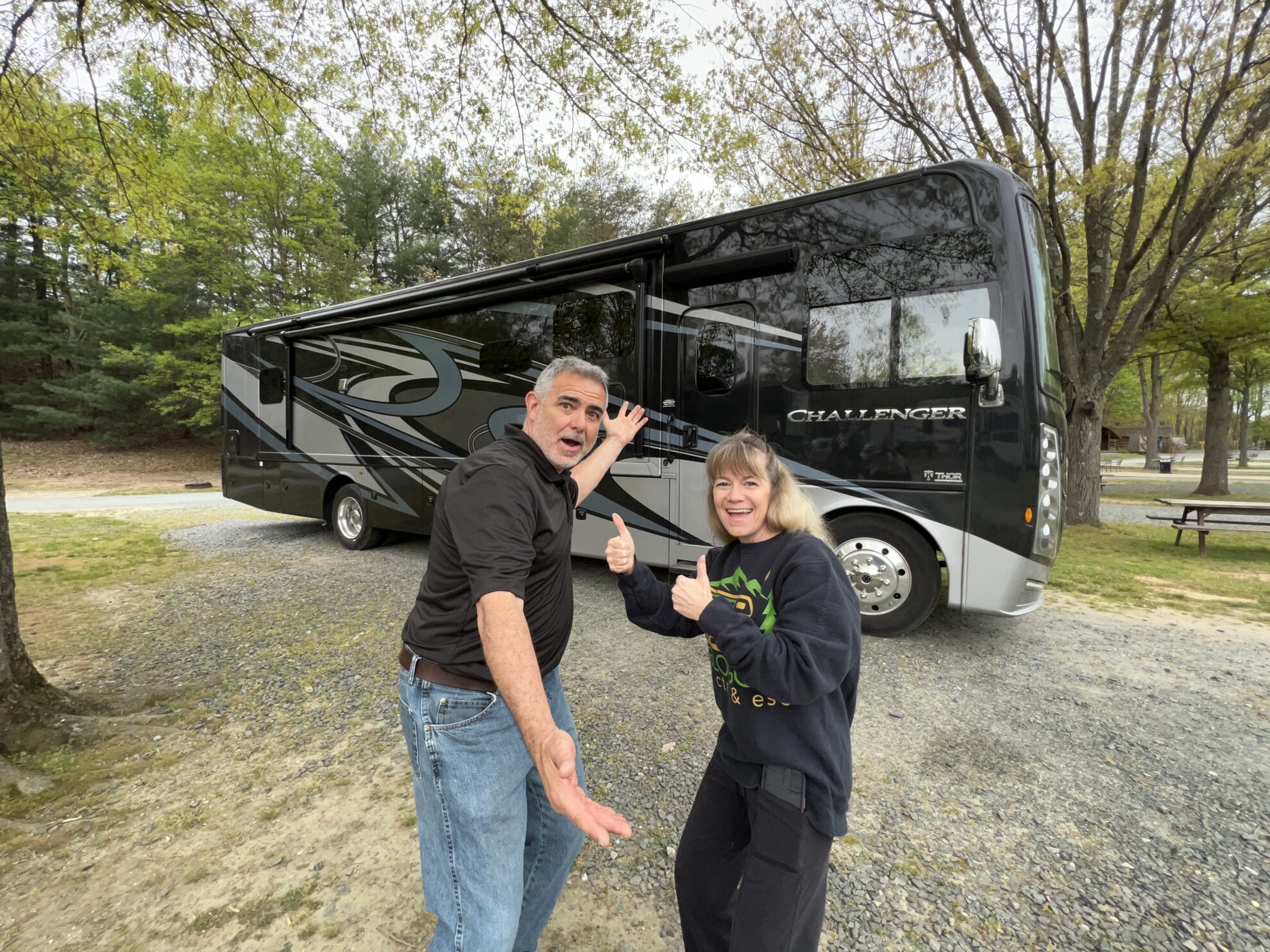
Mike has decades of camping experience and has traveled extensively in both a Gulf Stream Conquest Class C and a Thor Challenger Class A motorhome. He and Susan spend much of the year on the road, attend RV shows, visit dealerships, and tour RVs across the country.
Through RVBlogger.com and the RVBlogger YouTube channel, Mike shares practical, first-hand advice about RV buying, floor plans, ownership, maintenance, gear, campgrounds, and the RV lifestyle.