Thanks for your support! If you make a purchase using our links in this article, we may make a commission. And, as an Amazon Associate, I earn from qualifying purchases. See the full disclosure here.
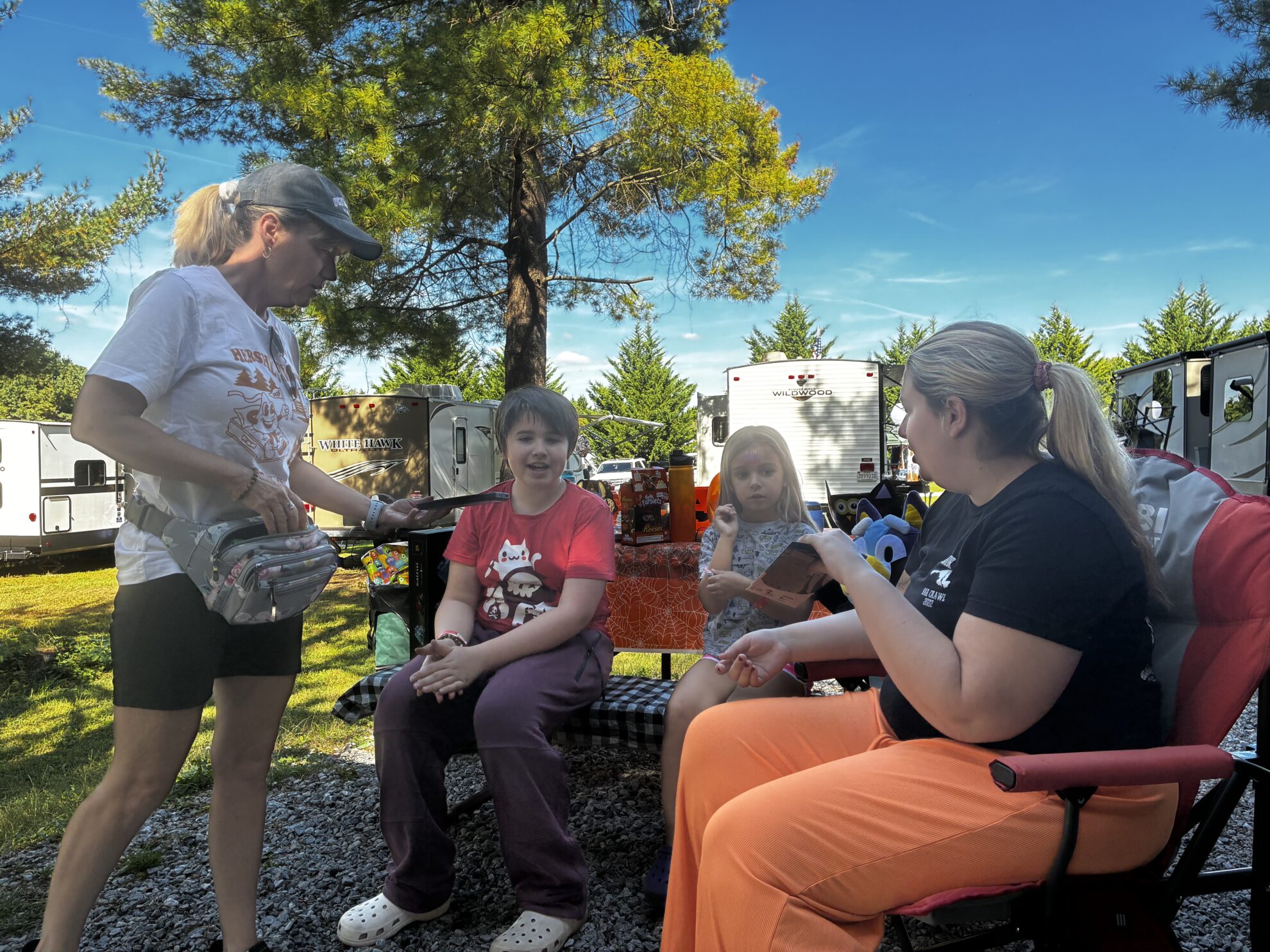
If you’ve ever had strangers walk straight through your campsite like it’s a public sidewalk, you know exactly how frustrating that can be. Susan and I just spent a Halloween weekend camping with our grandkids, and we had several people cut right through our site. We were sitting around the fire roasting marshmallows when a large family strolled through our campsite like it was the main trail!
That’s when I realized a lot of campers simply don’t know that walking through someone’s campsite is a big campground “no-no.” So, let’s talk about how to handle it and how to politely but effectively stop people from cutting through your site.
Why People Shouldn’t Cut Through a Campsite
Most campgrounds are designed so each site gives you a small slice of privacy — your temporary yard for the weekend. Cutting through that space is the camping equivalent of walking through someone’s backyard at home. It’s rude, disruptive, and it can even be unsafe.
You might have pets on tie-outs, kids running around, or gear like fire pits, tents, and picnic tables that someone could trip over. Plus, if you paid for that site, you deserve to enjoy it without constant foot traffic running through.
Set Up Physical Boundaries
The best way to prevent campsite trespassing is to create subtle but visible boundaries. You don’t have to turn your site into Fort Knox — just use natural cues that signal “private space.”
Here are a few ideas that work well:
- Position your chairs, picnic table, or fire ring along the edge of your site that borders the main path.
- Use solar pathway lights or small decorative fences to define the perimeter.
- Park your tow vehicle, car, or golf cart strategically to block the most common shortcut routes.
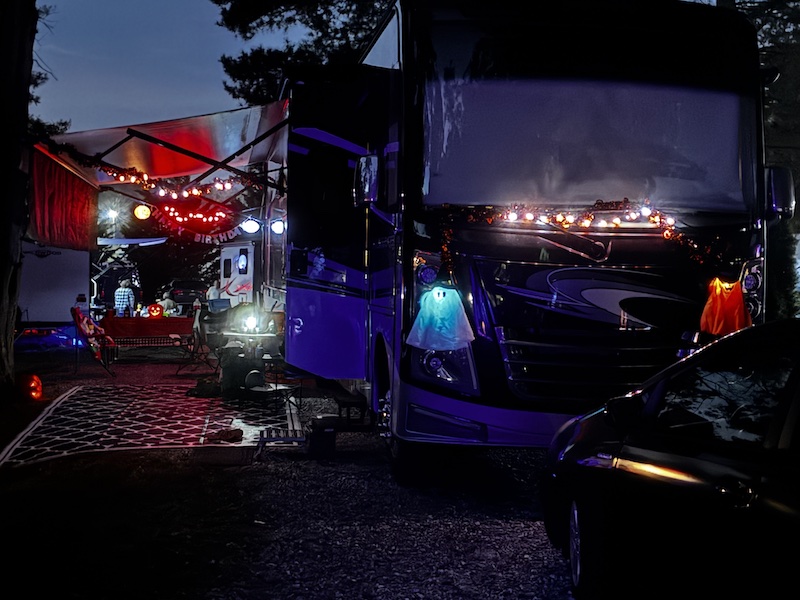
- String up lights or a small banner — especially if you’re celebrating a holiday like we were. Not only does it look festive, but it also tells passersby, “This area belongs to someone.”
When we were camping that weekend, I actually moved our Jeep and a couple of chairs to form a natural barrier. It didn’t block the view, but it definitely stopped most of the wandering feet.
We actually camped next to a Chief of Police at a campground near Ocean City, Maryland, called Castaways. We had so many people cut between our campsites that the Police Chief finally used his yellow caution tape to create a barrier to force people to walk around our sites.
It was more amusing than anything else, but it did stop the cuts through our campsites!
Post a Friendly Reminder
If the problem persists, a friendly sign can go a long way. Something like:
“Private Campsite — Please Walk Around 😊”
A small, polite message near the most common cut-through spot works wonders. Many people honestly don’t realize they’re doing anything wrong. A cheerful reminder helps correct the behavior without confrontation.
Use the Power of Presence
People are less likely to walk through a site that looks occupied and active. If you’re sitting outside, enjoying your fire, or have lights and music on, that visibility alone can discourage shortcutters.
When we’re camping, Susan and I love to sit out in the evening under our awning lights. We’ve noticed that just being visible (and friendly) keeps most folks from treating our site like a trail.
Talk to Repeat Offenders Politely
If someone continues to walk through after you’ve set boundaries and posted a sign, the next step is a calm conversation. Keep it polite and non-confrontational:
“Hey there, just a heads up — this is our campsite. We’d appreciate it if you could walk around instead.”
Most campers will apologize and respect your space once they realize it’s an issue. If not, or if you ever feel uncomfortable, let the campground host or office know. They’ll handle it for you — that’s part of what they’re there for.
Choose a Campsite with Natural Barriers
If this issue really bothers you (and it does for a lot of people), try to book campsites that have natural barriers next time. Sites near trees, fences, or with a buffer of shrubs or rocks are less likely to attract foot traffic.
When Susan and I book our sites, we always check the campground map and photos. We try to pick end sites, corners, or locations with a little natural privacy. A few extra minutes of planning makes a huge difference in the overall experience.
Enjoy Your Privacy Without the Drama
Campground etiquette isn’t always common knowledge, and most folks aren’t trying to be rude — they just don’t know the rules. A few simple steps like setting up boundaries, posting a polite sign, or choosing the right site can protect your space and your peace of mind.
Camping is all about relaxing, making memories, and enjoying nature — not feeling like you’re guarding your front lawn. With a little strategy and a lot of kindness, you can stop people from cutting through your campsite and get back to enjoying your trip.
Related Reading:
– How to Silence a Barking Dog at the Campsite Next Door
– Fun Rules for RV Sticker Maps
Mike Scarpignato – Bio
Mike Scarpignato founded RVBlogger.com with his wife, Susan, in 2018 to help new and experienced RVers make better decisions about buying, owning, and traveling in an RV.
Mike has decades of camping experience and has traveled extensively in both a Gulf Stream Conquest Class C and a Thor Challenger Class A motorhome. He and Susan spend much of the year on the road, attend RV shows, visit dealerships, and tour RVs across the country.
Through RVBlogger.com and the RVBlogger YouTube channel, Mike shares practical, first-hand advice about RV buying, floor plans, ownership, maintenance, gear, campgrounds, and the RV lifestyle.